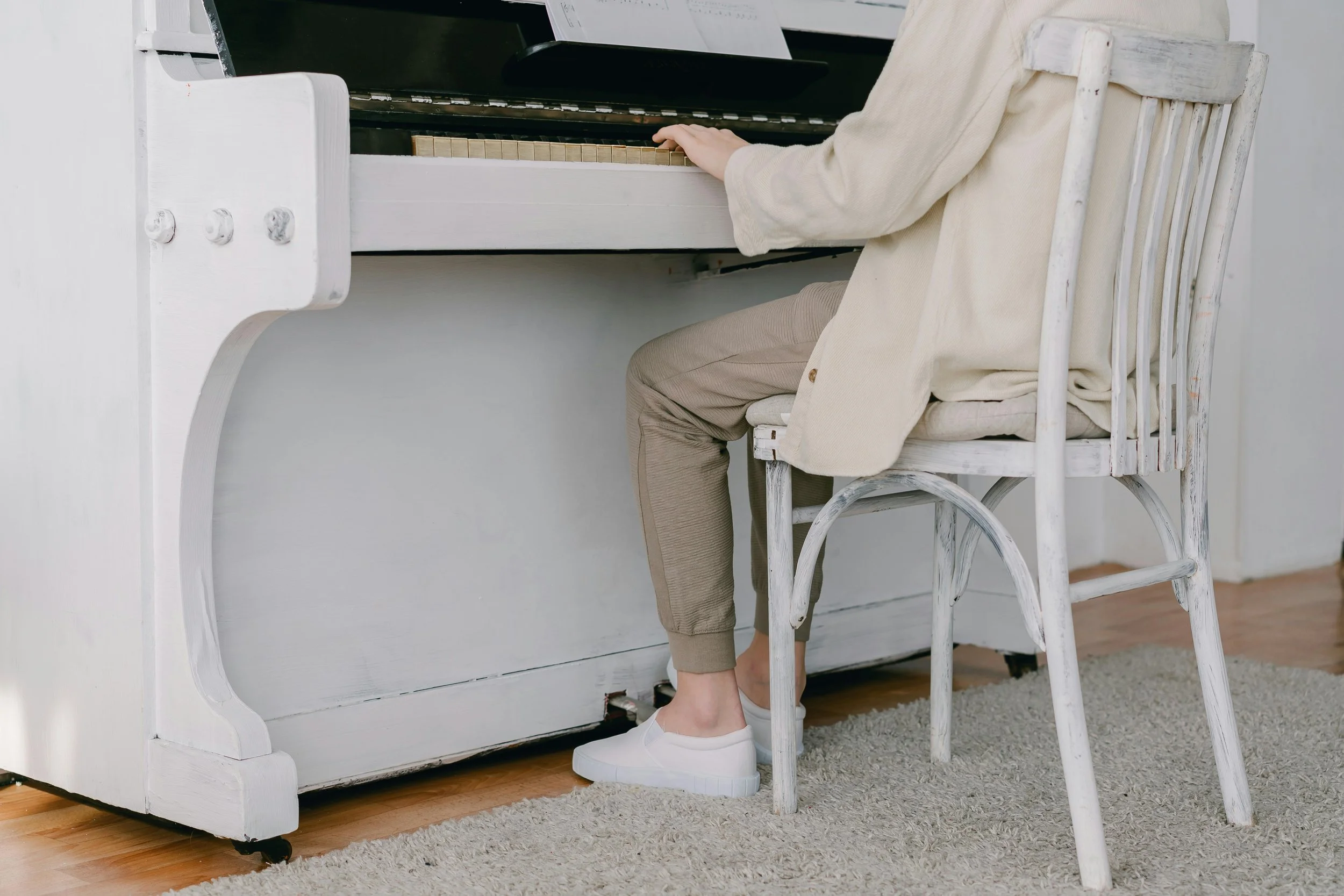
How to Use Piano Pedals
When people first start learning the piano, most of the attention naturally goes to the keys. Finger placement, rhythm, hand coordination, and reading music all feel like the most important skills to master. However, there comes a point in every pianist’s journey where learning to use the pedals properly becomes just as essential as playing the right notes.
Piano pedals can completely transform the sound of your playing. They add colour, depth, emotion, and smoothness to music when used correctly. At the same time, poor pedal technique can quickly make even a well-played piece sound messy and unclear. Understanding how and when to use the pedals is an important step in becoming a more confident and expressive pianist.
Understanding the Three Piano Pedals
Most acoustic pianos have three pedals, though beginners usually start by learning the two most commonly used ones.
The right pedal, also known as the sustain pedal, is the pedal pianists use the most. When pressed down, it allows notes to keep ringing even after your fingers leave the keys. This creates a fuller and more connected sound. You’ll notice this pedal used constantly in classical music or even pop songs.
The left pedal, known as the soft pedal or una corda pedal, creates a quieter and gentler tone. Unlike the sustain pedal, this pedal is less about connecting notes and more about changing the character of the sound. Composers often use it in softer, more emotional passages where a delicate touch is needed.
The middle pedal varies depending on the piano. On some acoustic pianos, it acts as a sostenuto pedal, which sustains only selected notes. On many upright pianos, however, it functions as a practice pedal designed to reduce volume. Beginners don't usually need to focus heavily on the middle pedal.
How to Use the Sustain Pedal Properly
One of the biggest mistakes beginners make with the sustain pedal is holding it down for too long. While it might initially sound beautiful, overusing the pedal can blur harmonies together and make the music lose clarity. Instead, try thinking of the pedal as something that supports the music rather than covers it.
A useful habit is to change the pedal whenever the harmony changes. In simpler terms, if the chords in the music move, your pedal should usually move too. This technique, called ‘pedal changing’, helps keep the sound rich without becoming muddy.
It's also important to avoid relying on the pedal to hide technical mistakes. Good pedalling should enhance clear playing rather than compensate for uneven notes or rhythm.
Developing Better Pedal Technique
As with any piano skill, learning to pedal properly takes patience and experimentation. At first, coordinating your hands and feet together may feel awkward, especially if you're still developing confidence with note-reading and rhythm. This is completely normal. Over time, pedal technique becomes more natural as your listening skills improve.
One of the best ways to improve your pedalling is to listen carefully while you play. Rather than automatically pressing the sustain pedal throughout a piece, ask yourself whether the sound is helping the music or making it less clear. Recording yourself can also be incredibly helpful because it allows you to hear details you may not notice while concentrating on playing.
Ultimately, piano pedals are there to enhance your playing, not overpower it. When used thoughtfully, they can make even simple pieces sound expressive and polished. Like all aspects of piano learning, progress comes gradually, so don’t be discouraged if pedal technique takes time to master. The more you experiment and listen closely, the more naturally pedal use will become part of your playing.